
Why Most Small Business AI Projects Fail Before They Start

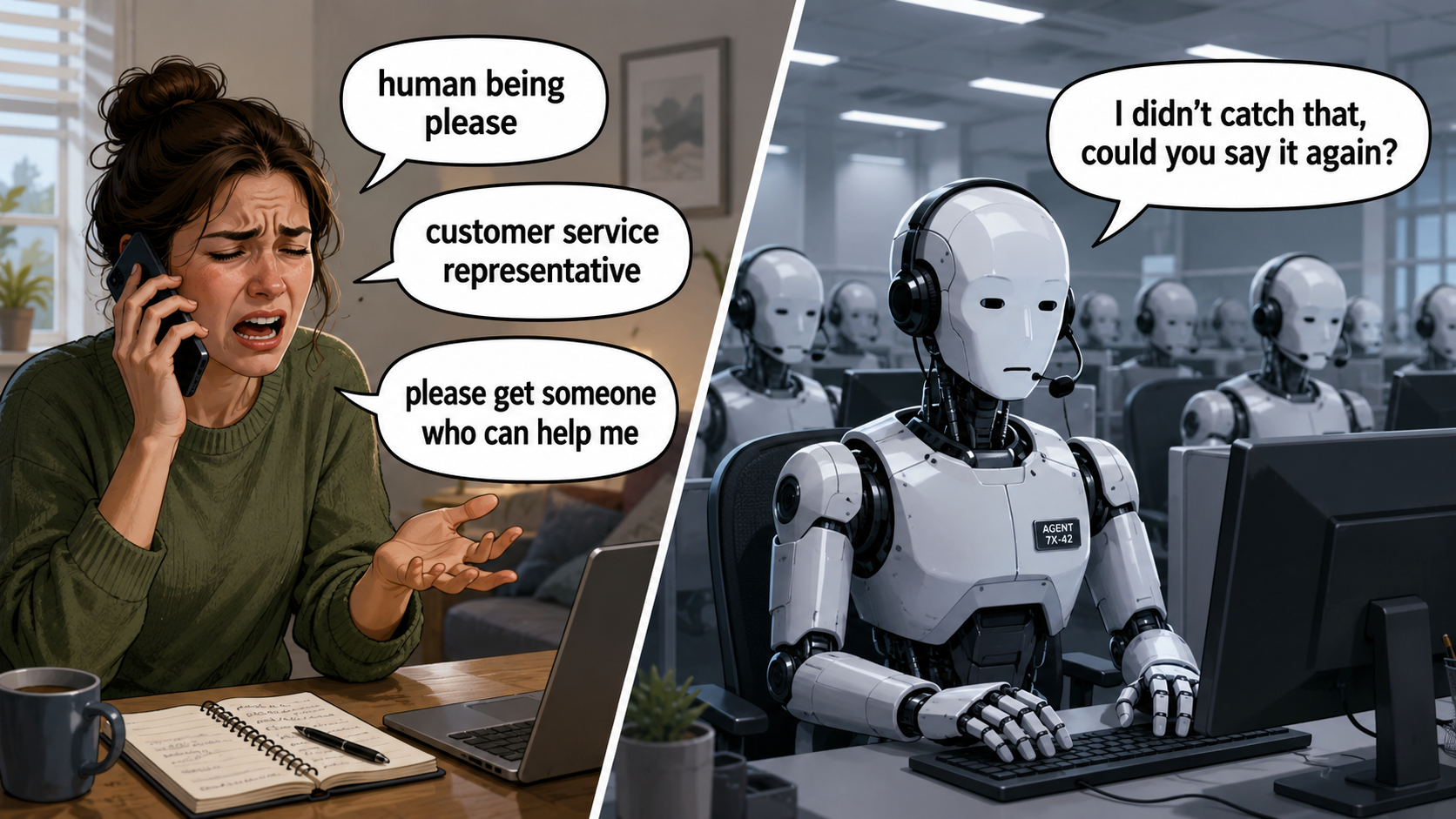
The number of small businesses that have quietly given up on AI is larger than anyone's reporting. The tool got installed. Someone ran a few demos. Enthusiasm faded, the team stopped using it, and eventually the subscription got cancelled — or worse, it stayed active and everyone pretended it was useful.
Sometimes the failure is louder: the AI produces output, but nobody trusts it enough to act on it. It gets used for low-stakes tasks while the actual work keeps getting done the old way. The business pays for AI and gets a novelty.
This isn't a technology problem. In most cases, the tool was fine. The failure happened before anyone opened the browser.
Root Cause #1: Starting With the Tool, Not the Problem
Most AI projects start because someone saw a demo. A business owner watches a presentation, a team member reads an article, or a vendor shows them something impressive. The question immediately becomes: How do we use this?
That's the wrong question. The right question is: What problem are we trying to solve?
When you start with the tool, you spend your time figuring out what the tool can do and then hunting for places to apply it. When you start with the problem, you spend your time understanding what's actually painful in your operation — and then figuring out whether AI is the right fix.
Those two paths lead to very different places. One ends in a shiny deployment nobody uses. The other ends in something that makes a real difference to how the business runs.
Root Cause #2: The Process Being Automated Isn't Documented
This is the single most common failure mode I see, and it sounds deceptively simple: if you can't explain a process clearly to another human being, you can't explain it to an AI.
Most small business processes were never written down. They evolved. They live in the institutional memory of whoever has been doing the job the longest. They involve judgment calls that nobody has articulated — because everyone who needed to know them already knew them.
When you try to automate one of these processes, you find out immediately how many hidden decisions it contains. The AI hits those forks in the road and either guesses, stalls, or produces something wrong in a way that's hard to diagnose. You end up not fixing the process — you end up with a process that runs itself badly at scale.
Automating a broken process doesn't fix it. It locks in the brokenness and speeds it up. The documentation work that feels like overhead is actually the foundation. Skip it and you're building on sand.
Root Cause #3: No Ownership
Ask most small businesses who is responsible for AI working in their organization. The honest answer is usually: whoever's most interested in it.
That person did the research. They championed the tool. They got everyone excited. And then they got busy with the actual job they were hired to do — because AI projects don't come with reduced responsibility for everything else.
Enthusiasm is not ownership. Without someone who has a clear mandate and dedicated time to drive AI adoption, projects drift. The initial energy fades. Nobody is accountable for results. The tool sits there, technically available, practically unused.
This isn't a knock on the enthusiast. They were doing something important. But organizations that succeed with AI assign real ownership — a person with authority, time, and accountability for outcomes — not just someone who raised their hand.
Root Cause #4: Measuring the Wrong Things
Businesses frequently evaluate AI projects by whether they produce output. The content got written faster. The report was generated in minutes instead of hours. The email drafts were ready before the meeting ended.
That's measuring output. It's not measuring outcomes.
Producing content faster is not the same as producing better content. Generating drafts faster doesn't matter if the drafts still require the same amount of revision. Automating a report nobody reads doesn't free up time — it just removes one of the things on the to-do list that wasn't creating value anyway.
The question isn't whether AI made something faster. The question is whether it improved the thing you actually care about: client satisfaction, close rates, turnaround times, margin, whatever the real business outcome is. If you're not measuring against that, you don't know whether the project worked.
What Businesses That Get This Right Actually Do
The businesses that build AI projects that stick tend to follow a recognizable pattern.
They start with a specific, painful process problem — not "we should be using AI more" but "this particular thing takes too long and creates errors and everyone hates doing it." They choose that problem because solving it would be noticeable.
Before they touch any technology, they write down how the process actually works. Not how it's supposed to work. How it actually works, including the edge cases and judgment calls. They get the process right on paper first.
They assign an owner with real accountability — not just someone who's enthusiastic, but someone who has time allocated, has the authority to make decisions, and will be evaluated on whether the project delivers.
And they define what success looks like in terms of actual outcomes before they start, so when the project is complete they know whether it worked.
None of that is complicated. Most of it is just discipline.
Where Mosaic Comes In
This is exactly the kind of foundational work that Fractional AI Leadership is built around. Not recommending tools. Not deploying software. Helping businesses get the upstream decisions right — so the downstream implementation has a chance of actually working.
The businesses we work with have usually tried something already and been disappointed. Or they're smart enough to know they should think it through before they try. Either way, having a thinking partner who's done this work across multiple organizations — who knows where the traps are and won't sell you anything — changes the calculus.
AI can do a lot for a small business. But only if the foundation is right.
If you want an honest conversation about where AI fits in your business — and what you'd need to get there — get in touch or learn more about how our Fractional AI Leadership engagement works.
Mosaic Solutions is an AI strategy and automation consultancy based in the Cedar Rapids/Iowa City Corridor. We work with SMBs that are serious about AI — not just curious about it.