

5 Signs Your Business Needs AI Leadership, Not Just AI Tools

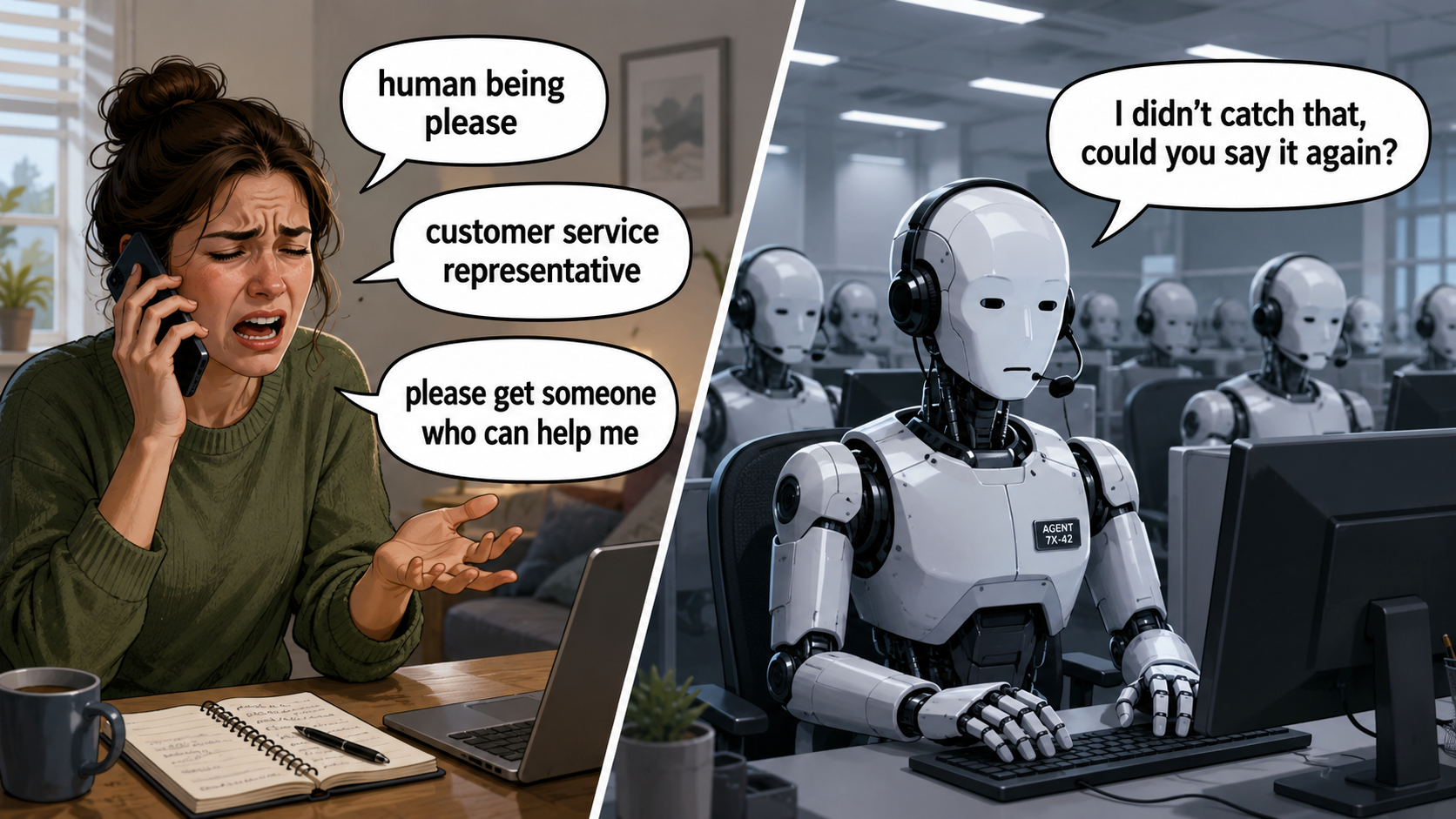
Most businesses that are struggling with AI aren't using the wrong tools. They're using reasonable tools, with reasonable intentions, and getting very little out of it. The tools aren't the problem.
The problem is that nobody is steering.
AI in a business context isn't something you can set up once and hand off. It requires judgment — about what to prioritize, what to avoid, how to get people to actually change how they work, and how to evaluate whether any of it is working. That judgment doesn't come with a software subscription.
Here are five signs that what your business needs isn't another tool. It's leadership.
1. You've Bought AI Tools But Nobody Is Using Them Consistently
You've got licenses. Maybe a few. People tried them out, used them a handful of times, and then drifted back to how they were doing things before. Usage is spotty, and it's concentrated in one or two individuals rather than distributed across the team.
This is the most common pattern I see — and it's almost never a training problem. It's a change management problem.
New tools don't get adopted because they exist. They get adopted when someone in authority has decided they're important enough to actively drive, when there are clear expectations around how they get used, and when the workflow makes it easy to use them rather than skip them. If none of those conditions exist, adoption stalls out regardless of how good the tool is.
2. Every Department Is Doing AI Differently
Marketing is using one set of tools. Operations is using another. The finance team has their own workflow. Nobody knows what anyone else is doing, and nobody's comparing notes.
This isn't inherently a disaster — experimentation is healthy. But when there's no coherence across the organization, a few things tend to go wrong. You're paying for redundant tools. You can't build on each other's work. Your data and outputs are inconsistent in ways that matter. And when something goes wrong — and eventually something will — you have no visibility into where the problem came from.
A coherent AI approach doesn't mean everyone does the same thing. It means someone is looking across the whole organization and making sure the pieces fit together.
3. You Have No Way to Evaluate Whether a New AI Vendor Is Actually Worth It
Vendors are relentless right now. Every week there's a new tool that promises to save hours, cut costs, and transform how your team works. Some of them are genuinely useful. Most of them are not, or they're useful but not for your specific situation.
If your current process for evaluating AI tools is watching the demo and deciding whether it seems promising, you're going to make expensive mistakes. Not because the demos are dishonest — though some are — but because the gap between "impressive demo" and "works for how we actually operate" is where most implementations fall apart.
Knowing how to evaluate AI tools requires understanding your workflows well enough to stress-test a vendor's claims, knowing what questions to ask about security and data handling, and having seen enough implementations to recognize the red flags. That's expertise, not common sense.
4. Your AI Projects Keep Getting Deprioritized When Things Get Busy
The initiative was announced. Maybe it was even named. And then Q2 got complicated, headcount shifted, and now it's sitting in a slide deck that nobody's opened in three months.
This happens constantly. AI projects, when they're not tied to anyone's primary job responsibilities, are easy to defer. There's no clear owner, no hard deadline, and no one asking about it in the weekly standup. So every time there's a competing priority — which is always — AI slides.
What changes this isn't urgency. It's ownership. When someone is specifically accountable for AI progress — when there's a real person with real capacity whose job it is to keep these priorities moving — projects don't fall through the cracks the same way. They might still get adjusted, but they don't disappear.
5. You're Nervous About the Risks But Nobody's Thinking About Them Systematically
You've heard about AI systems producing inaccurate outputs. You've seen news about data handling and privacy concerns. You have vendors asking you to feed sensitive client or employee data into their platforms. And somewhere in the back of your mind, you're aware that your industry probably has compliance implications you don't fully understand yet.
The right response to this isn't to avoid AI entirely. But it's also not to assume that because a tool is reputable, everything is fine. Risk management in AI is a discipline. It requires actually thinking through what data is going where, what happens when outputs are wrong, who is accountable when something causes harm, and what your obligations are under applicable law and regulation.
Most businesses don't have anyone doing this work. They're either ignoring the risks entirely or they're so worried about them that they can't move. Neither posture serves the business.
What AI Leadership Actually Changes
The difference between having AI tools and having an AI strategy is the difference between buying gym equipment and having a coach.
The equipment can help. But without someone who understands where you are, where you're trying to go, and what's actually standing in the way — you're unlikely to get the results you're after.
AI leadership means having someone who knows the landscape well enough to cut through the noise, who understands your business specifically, who can translate strategy into actual workflow changes, and who is accountable for the business seeing a return on what it's investing. Not just in tools. In time, attention, and organizational capital.
That's the work. And it's different from tool selection.
If more than one of these signs sounds familiar, it may be time to talk. Learn more about how Mosaic approaches Fractional AI Leadership, or get in touch directly.
Mosaic Solutions is an AI strategy and automation consultancy based in the Cedar Rapids/Iowa City Corridor. We help SMBs build the leadership and systems to make AI work — not just work with AI.